Custom Label Printing & Manufacturing
A dedicated label line serving spirits, pharmaceutical, agrochemical, daily chemical and beauty brands — from ultra-short digital runs to high-volume offset programmes.
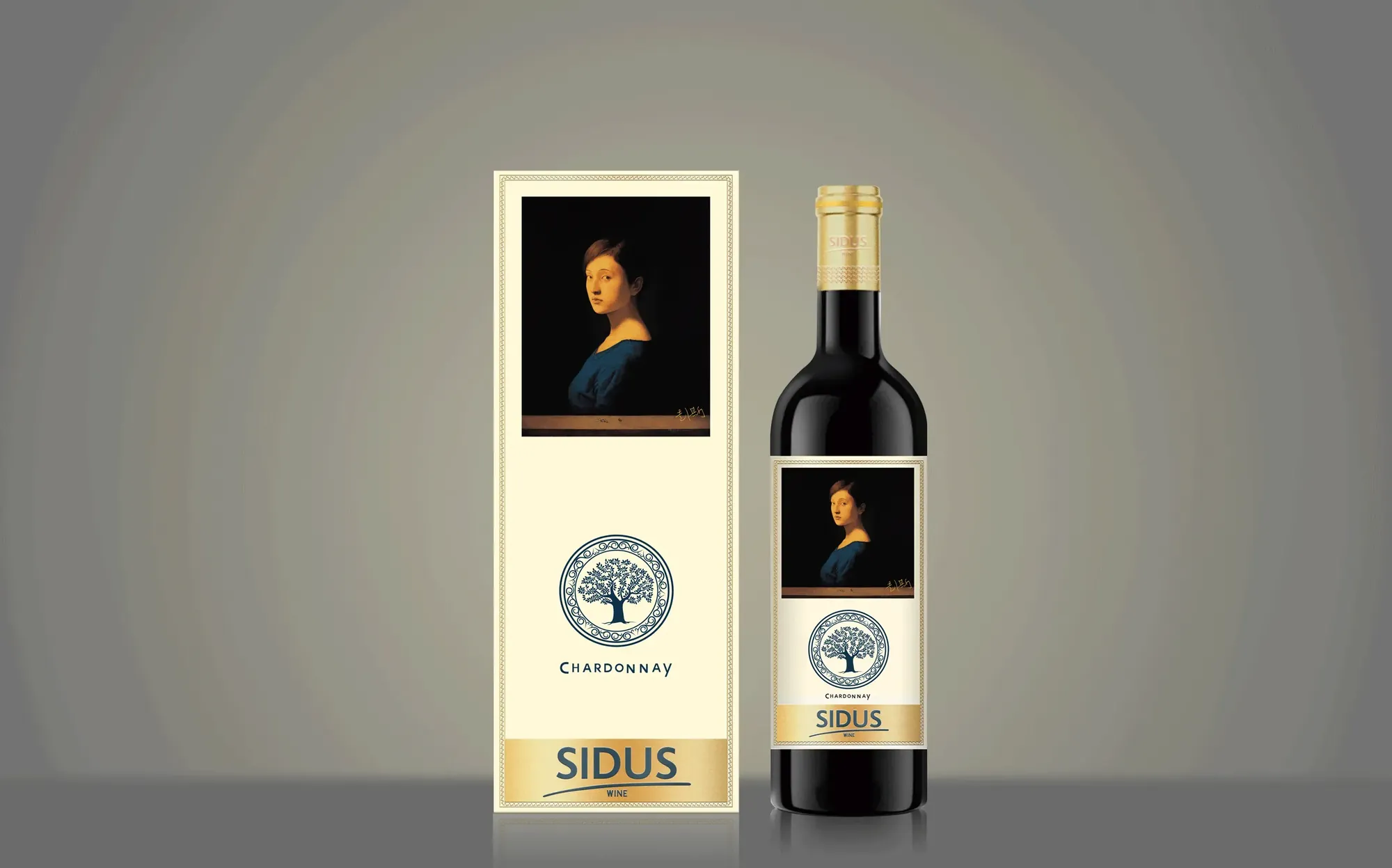
- Offset & Letterpress
- Digital / Ultra-Low MOQ
- Holographic Positioning
- Foil & Emboss
- Variable Data
- Anti-Counterfeit
Overview
A label is the one part of the pack a customer touches and reads. It also has the hardest job: it has to survive filling lines, condensation, refrigeration, oils and handling, and still look exactly like the artwork that was approved. Yuan Packaging runs a dedicated label production line for that reason — separate presses, separate finishing, separate quality inspection.
The line combines conventional and digital technology because different jobs genuinely need different processes. Long runs and precise spot-colour work go to offset and to our Manroland 6+1 intermittent letterpress, which can print, emboss and foil in-line. Short runs, launch quantities, serialised codes and personalised or variable-data labels go to the digital press we installed in 2022, which supports ultra-low minimum quantities.
We print labels for leading domestic brands in the liquor, pharmaceutical, agricultural chemical and daily chemical sectors, alongside beauty and export work. Anti-counterfeiting, holographic positioning, embossing and hot stamping are handled as standard capabilities on this line rather than as outsourced extras.
Explore the range
- Wine & Spirits Labels — Wet-strength and textured stocks, foil and emboss, holographic authentication — labels built for chilled service and ice buckets.
- Cosmetic & Beauty Labels — Clear film, small-format die cutting and soft-touch finishes for bottles, jars, tubes and fragrance packaging.
- Anti-Counterfeit Labels — Holographic positioning, tamper-evident seals, serialised QR codes and NFC-enabled smart labels.
Materials
Coated & Uncoated Papers
The default face stock for most applications — economical, prints sharply, takes foil and emboss well.
Textured & Specialty Stocks
Felt-marked and laid papers used where the label should feel like part of the product rather than a sticker.
Wet-Strength Paper
Paper face stock engineered to hold together when wet — specified for chilled and ice-bucket service conditions.
PP & PET Films
Clear, white and matte films for moisture, oil and abrasion exposure, including squeezable containers.
Metallised & PET Silver
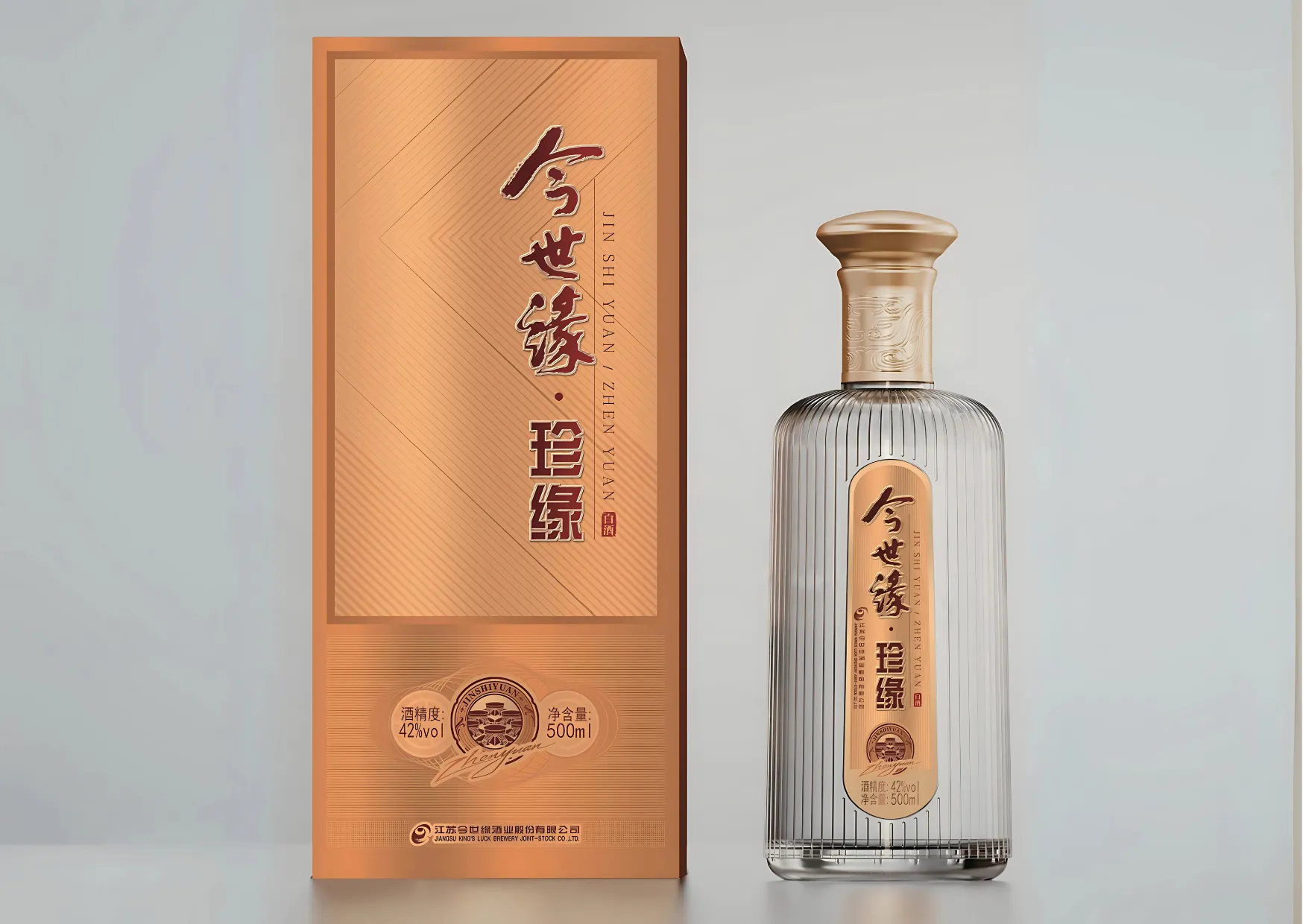
Reflective substrates that produce a metallic ground without a separate foil pass — used on our Jinshiyuan spirit label work.
Holographic Film
Diffractive film, plain or registered, used decoratively and as a first-line authentication feature.
Printing & Finishes
Hot & Cold Foil Stamping
Metallic foils in gold, silver and colours, registered to the printed artwork.
Holographic Positioning
A holographic element placed to register with the design rather than repeating randomly across the web — an authentication as well as a decorative feature.
Multi-Level Embossing
Sculpted relief, including emboss registered over foil. Available in-line on the Manroland letterpress.
Spot UV & Textured Varnish
Gloss or tactile varnish on selected elements — the cheapest way to add a second surface language to a flat label.
Lamination & Overvarnish
Matte, gloss and soft-touch protection against scuffing, moisture and handling.
Precision Die Cutting
Custom outlines, radiused corners and internal cut-outs, matched to the container geometry.
Label Formats
Front & Back Labels
The main printed faces, die-cut to any outline. Front and back are usually specified as a matched pair on one adhesive system.
Neck & Shoulder Labels
Small-format labels for curved bottle necks, where die accuracy and adhesive choice matter more than print area.
Wrap-Around Labels
Full-circumference labels for jars, tubes and cylindrical containers, with an overlap allowance specified to the container diameter.
Clear "No-Label" Film
Clear film with white ink laid under the artwork so colour stays opaque while the substrate disappears on glass.
Seals & Tamper-Evident Bands
Closure seals across caps and lids, printed or clear, used where visible evidence of opening is required.
Serialised & Variable-Data Labels
Unique codes, QR and batch data printed digitally, for traceability, authentication and campaign mechanics.
Board & material options
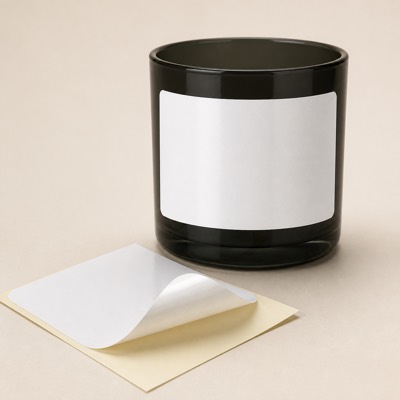
Semi-Gloss Paper
The default self-adhesive paper face stock.
Economical, prints sharply, takes foil and emboss. Not for wet or oily surfaces — that is a film job.
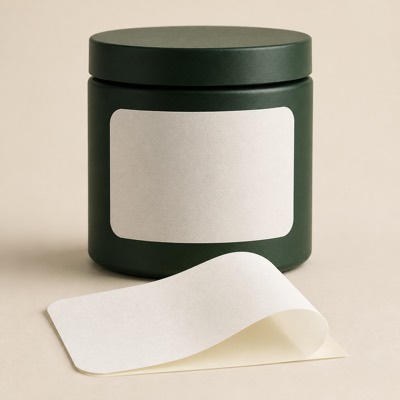
Matt Label Paper
Non-reflective paper face stock.
Preferred where the label has to be written on — batch codes, dates, dispensing labels.
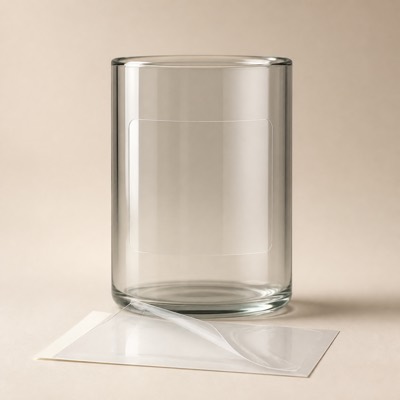
Clear BOPP
Transparent film for the no-label look.
Needs white ink underprinted beneath the colours, or the artwork goes translucent against the product behind it.
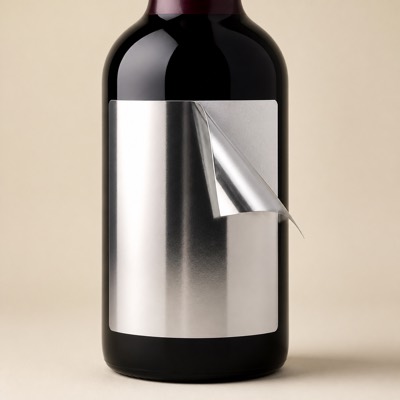
Metallised PET
A mirror-metallic film face.
The PET silver used on our Jinshiyuan spirit label work — a metallic ground and a moisture barrier in one material.
Finishing options
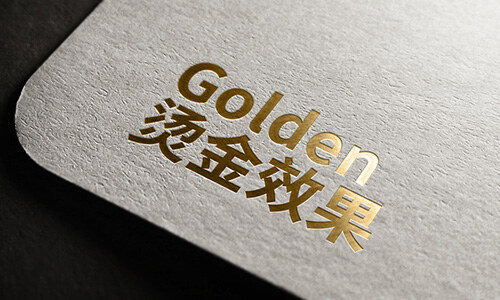
Hot Foil Stamping
Metallic foil applied by heated die, registered to the print.
Gold, silver, copper and coloured foils. Applied flat before any wrapping or forming, so registration is controlled on a sheet rather than on a curve.

Embossing
Raised relief pressed into the surface from behind.
Can be registered over foil for a sculpted metallic mark. Sequence matters: emboss after foil is standard, and reversing it damages the foil surface.
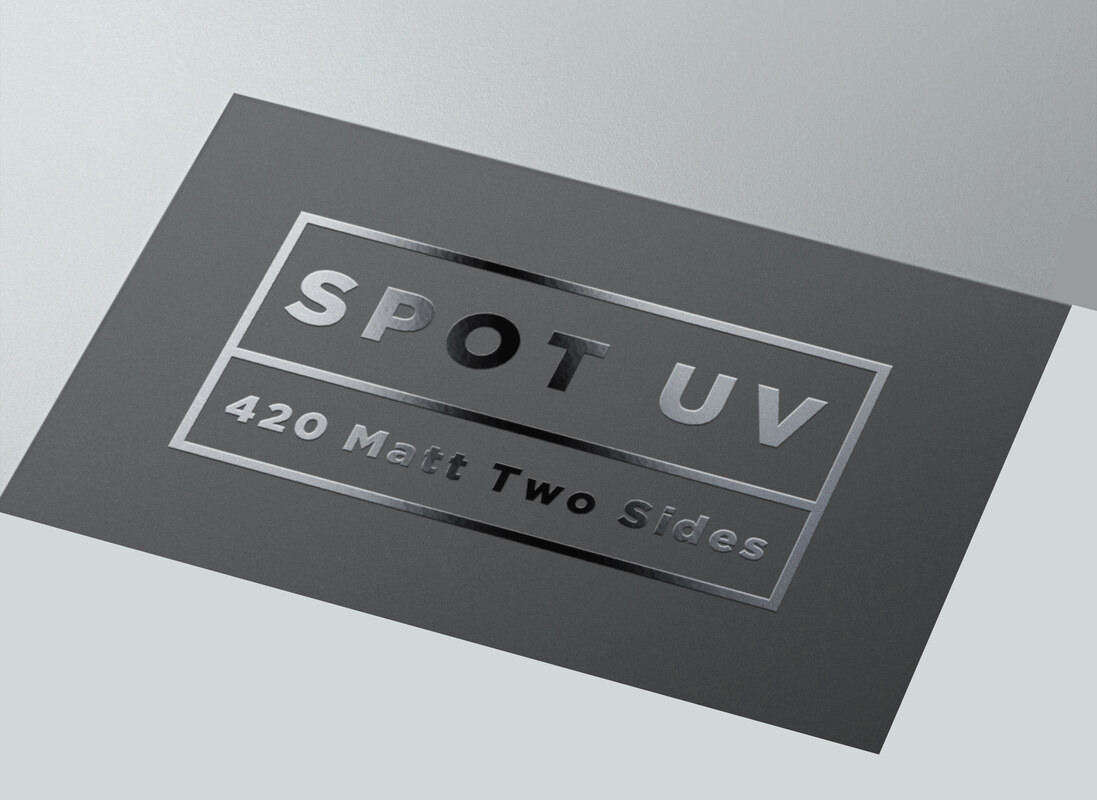
Spot UV
Gloss varnish applied to selected artwork elements.
Highest contrast over a matte or soft-touch base. On a gloss laminate it barely reads — the base finish decides whether spot UV is worth paying for.
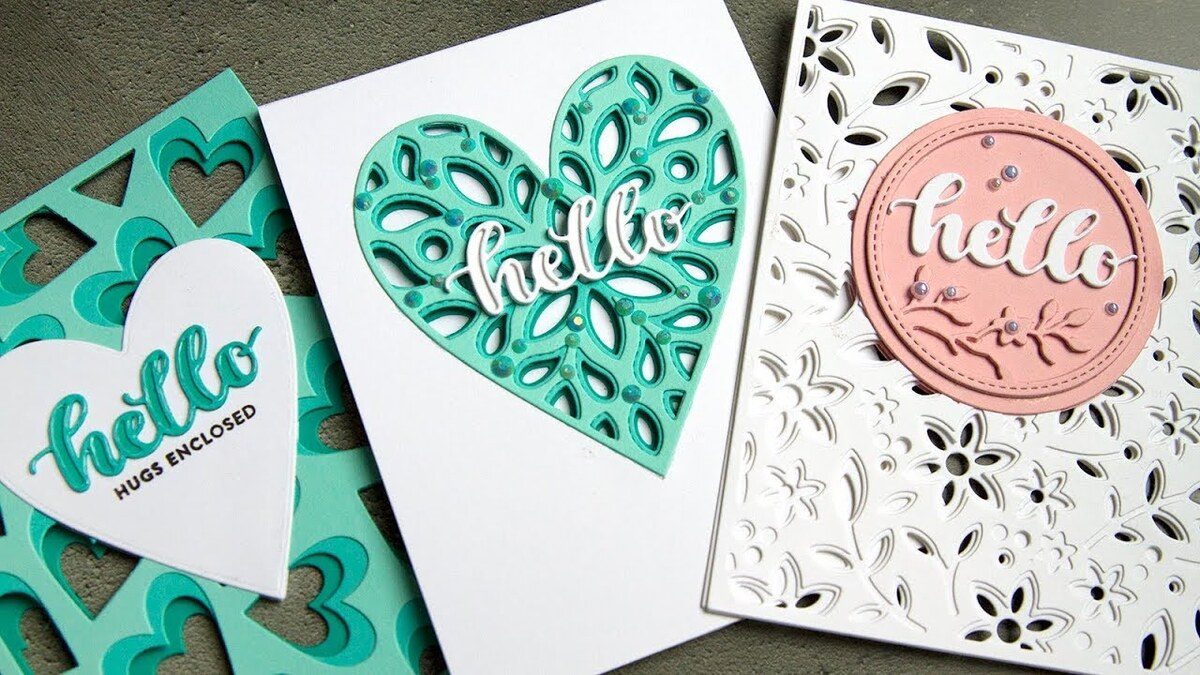
Die Cutting
Custom shapes, windows and cut-outs.
Windows, shaped lids, handle apertures and label outlines. A window can be left open or patched with clear film depending on whether the product needs protecting.
What you can customise
- Die shape and size, developed against your container geometry
- Face stock — paper, textured, wet-strength, film or metallised
- Adhesive system for the surface, fill temperature and service conditions
- Print process — offset, letterpress or digital, by run length and effect
- Finishing combination and holographic placement
- Roll or sheet delivery, winding direction and core size for your applicator
- Serialisation, QR codes and variable data
Specifications
| Minimum order quantity | Standard labels from 1,000 units; the digital line supports very short runs |
|---|---|
| Production lead time | 15–20 working days after artwork approval |
| Print processes | Offset, Manroland 6+1 intermittent letterpress, six-colour flexo and digital (installed 2022) |
| In-line capability | Printing, embossing, hot stamping and holographic positioning combined in the same pass on the letterpress line |
| Sectors served | Liquor and spirits, pharmaceutical, agricultural chemical, daily chemical, beauty and food |
Terms for this specification
- Sampling
- Presentation-quality sample in 5–7 working days. The sample cost is credited against your first approved production order.
- Colour matching
- Pantone references and physical samples are used where the selected print process supports them. The approval method follows the substrate, artwork and process.
- Certifications
- ISO 9001, ISO 14001:2015, ISO 45001 and China Environmental Labelling (Ten-Ring). ISO 22000 applies to eligible food-contact work.
- Sustainable options
- FSC-certified or recycled-content paper and board, water-based inks and adhesives, and fibre-based fitments are available where the selected construction supports them.
What drives the cost
Run length dominates here more than on any other product we make. Label set-up is a fixed cost spread across the roll, so a 1,000-piece run and a 50,000-piece run can differ by an order of magnitude per label. The digital press exists precisely to make the short end of that curve viable.
Quantity
Most of the cost of a print job is set-up — plates, dies, make-ready, the first good sheet. Doubling a run rarely doubles the price, which is why it is worth asking for two or three volumes on the same quote.
Structure
A rigid box is formed, wrapped and often assembled by hand; a folding carton is die-cut and glued in one pass. Structure is usually the single biggest difference between two otherwise identical packs.
Material
Board grade and wrap stock. Specialty and textured papers cost more per sheet, but can replace a finishing pass — sometimes the cheaper route to the same effect.
Finishing passes
Each of foil, emboss, spot UV and lamination is a separate pass through a machine. Two effects cost roughly twice one, so the question is always which effect earns its place.
Tooling
Dies, emboss plates and foil blocks are one-off costs carried by the first order and reused on every repeat. Repeat runs of an approved specification are materially cheaper than the first.
Design & artwork
From an artwork check, through a dimensioned dieline and print-ready files, to a full concept package across a range — done by the factory that will make it.
Applications
Spirits, Wine & Baijiu
Front, back and neck labels built for chilled service, ice buckets and anti-counterfeiting requirements.
Beauty & Personal Care
Small-format and clear-film labels for bottles, jars and tubes that meet oils, creams and daily handling.
Pharmaceutical
Labels for regulated packaging where legibility, batch data and consistency across production runs are the requirement.
Daily Chemical & Agrochemical
Durable face stocks and adhesives for household and agricultural products with chemical and moisture exposure.
Tobacco
High-volume label programmes where repeatable colour across long runs and complex finishing are the requirement.
How it is made
Container & condition review
Bottle or container geometry, surface material, fill temperature and service conditions determine the face stock and adhesive.
Die & artwork preparation
Die shape, bleed and overlap are confirmed; separations are prepared for foil, emboss and varnish.
Process selection
Run length, effect and data requirements decide between offset, letterpress and digital printing.
Sampling
Printed samples in 5–7 working days, applied to your own container wherever possible.
Production & in-line finishing
Printing with foil, emboss, holographic positioning and varnish applied in the planned sequence.
Inspection, winding & delivery
Visual and registration inspection, then rolls wound to your applicator specification or sheets packed flat.
Selected work
Why Yuan Packaging
- A dedicated label production line — not a sideline of the carton plant
- Digital press installed in 2022 for ultra-low minimum quantities, personalisation and variable data
- Manroland 6+1 intermittent letterpress prints, embosses and foils in a single pass
- Anti-counterfeiting and holographic positioning handled in-house as standard capabilities
Frequently asked questions
What is the minimum order quantity for labels?
Standard labels begin at 1,000 units. Our digital label line also supports very short runs, which is normally the right route for launch quantities, market tests and personalised or serialised work.
Which printing process will my labels use?
Run length and effects decide it. Long runs with tight spot-colour control go to offset or the Manroland letterpress, which can print, emboss and foil in one pass. Short runs, variable data and serialised codes go digital.
Which adhesive should I specify?
That depends on the container surface, the fill temperature and the conditions the pack will meet — chilled, wet, oily or ambient. Tell us the container material and the service conditions and we will recommend a face stock and adhesive combination, then prove it on a sample.
Can you print anti-counterfeiting features?
Yes. Holographic positioning, security foils and serialised codes with variable data are standard capabilities on our label line. Our anti-counterfeit label page sets out the options in more detail.
What artwork do you need?
Vector artwork with the die outline on its own layer, fonts converted to outlines, 3 mm bleed, CMYK plus named Pantone spot colours, and separate layers for foil, emboss and varnish. Our artwork guide sets out the full checklist.
Can you supply labels on rolls for our applicator?
Yes. Tell us the core diameter, roll direction and labels per roll your applicator needs — winding is set at the finishing stage, and getting it wrong is one of the most common causes of a delayed line trial.